Best Time to Visit the Mamanuca Islands: Month-by-Month Guide
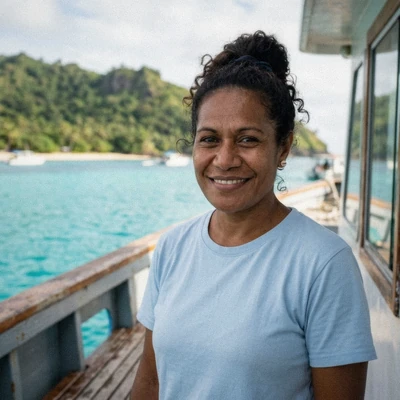
May to October is the best time to visit the Mamanuca Islands, Fiji's dry season, when daytime highs settle around 25 to 28°C, the humidity drops, and steady southeast trade winds keep the water clear enough to see the reef from the rail before you even get in. I have worked day boats out of Port Denarau since 2014, and this is the window when the crossing to the outer islands is smoothest and the crew spends the least time rerouting a snorkel stop. December through March runs the opposite way: hot, wet and inside the tropical cyclone season, though it also brings the cheapest fares and the greenest islands of the year. Neither season is a dealbreaker for a day trip, but one makes the boat ride easier and the other makes the price tag lighter.
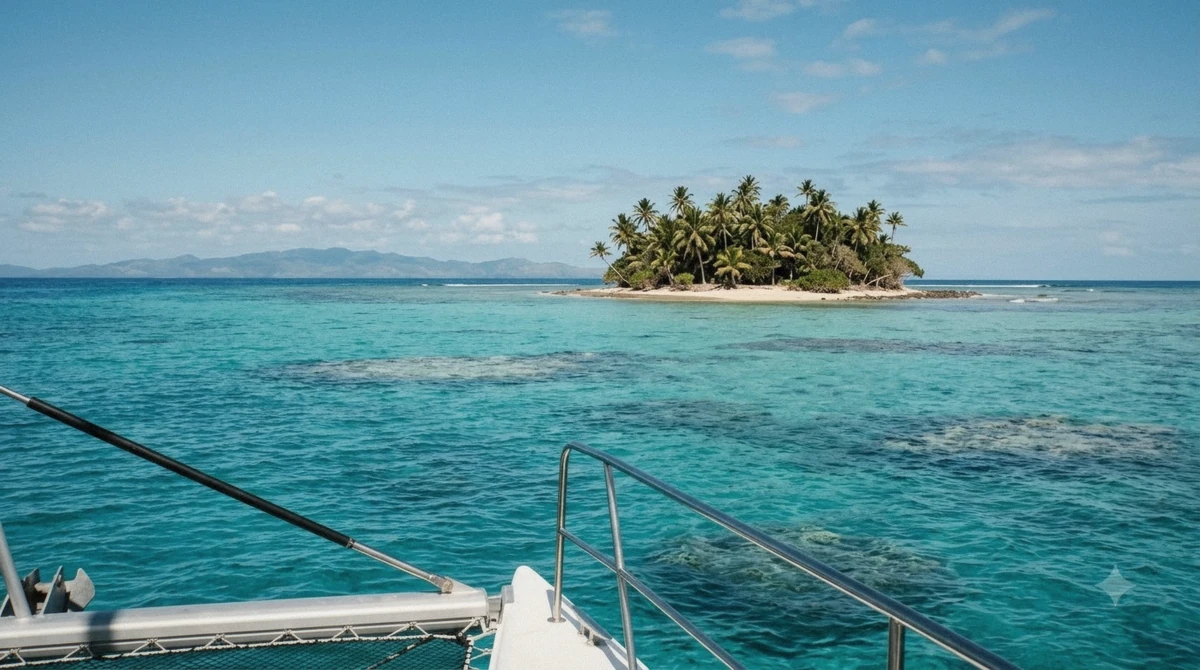
Quick answer
The best time to visit the Mamanuca Islands is May to October, Fiji's dry season, when lower humidity, steady trade winds and the clearest water of the year make for the smoothest boat days. April and November are solid shoulder months if you want dry-season conditions with thinner crowds and softer prices.
Key takeaways
- May to October is the dry season: 25 to 28°C, lower humidity, the clearest water of the year
- April and November are the shoulder months, dry-season conditions with fewer visitors on board
- December to March is the wet season and tropical cyclone season, with the year's cheapest fares
- It is wind, not rain, that cancels a boat day; light showers rarely change the schedule
- Morning departures around 09:00 beat afternoons, before the trade winds build
- June, July and September school holidays from Australia and New Zealand are the busiest weeks on the water
Seasons at a Glance
Here is how the three windows on the Mamanuca calendar compare. Read the Verdict column as a day-trip call, not a general travel recommendation.
| Season (Months) | Weather | Water temp & visibility | Crowds | Verdict |
|---|---|---|---|---|
| Dry season (May to October) | 25 to 28°C, low humidity, steady southeast trades | 25 to 27°C, best visibility of the year | High in school-holiday weeks, moderate otherwise | Best overall |
| Shoulder months (April, November) | 29 to 30°C, transitional, fewer squalls than peak wet | 27 to 28°C, still clear | Low to moderate | Best value |
| Wet season (December to March) | 29 to 31°C, humid, tropical cyclone season, peak January to March | 28 to 29°C, warmest of the year | Low outside Christmas week | Cheapest, honest trade-offs |
May to October wins on conditions, the shoulder months win on value, and the wet season wins on price alone. Pick by what matters more to you that week: calm water or a cheaper fare. The Mamanuca Islands day tours on our list run in all three windows.
Dry Season (May to October): Clearest Water, Calmest Crossings
May to October is Fiji's dry season, and it is the window I point most first-time visitors toward. Humidity drops, skies clear, and the steady southeast trade winds that define this half of the year actually work in your favour on the water: they keep the swell predictable rather than gusty, and the reduced rainfall means less freshwater run-off clouding the lagoons around Port Denarau. Days sit at 25 to 28°C, cool enough that the crew still hands out a light jacket for the open crossing on the seven-hour sailing day, and the water runs 25 to 27°C, comfortable for a full day of snorkelling without a wetsuit.
The trade-off is popularity. This is also when Australian and New Zealand school holidays land, so the busiest boats on the water are the ones leaving Port Denarau in June, July and September. It is also the only window for manta rays in nearby waters: the season runs May to October, and the specialist Manta Ray Experience trip only operates from early May.
- Daytime highs of 25 to 28°C, the year's lowest humidity
- Water temperature 25 to 27°C, the clearest visibility of the year
- Steady trade winds keep crossings predictable rather than gusty
- June, July and September school holidays bring the fullest boats
- Manta ray season in nearby waters runs May to October, a dry-season-only window
Shoulder Months (April and November): Dry Conditions, Thinner Crowds
April and November sit either side of the dry season proper, and they are the two months I actually recommend to anyone who asks me to pick a single window. The trade winds and rainfall pattern are already closer to dry-season conditions than wet, air temperatures run a touch warmer at 29 to 30°C, and the boats carry noticeably fewer passengers than the July peak. November is the better-kept secret of the two: the cyclone season has not properly built yet, fares start easing toward wet-season pricing, and the reef still holds the clarity from the outgoing dry months.
April works the same way in reverse, coming off the tail of the wet season rather than heading into it, so expect the odd short afternoon shower even on an otherwise clear week.
- 29 to 30°C days, warmer than peak dry season but well short of wet-season humidity
- Noticeably thinner boats than the June to September peak
- November: cyclone season has not built yet, fares start softening
- April: occasional short showers as the wet season tails off
Wet Season (December to March): Cheap Fares, Honest Trade-offs
December to March is Fiji's wet season, and it overlaps almost entirely with the tropical cyclone season, which runs November to April with peak activity January to March. The Fiji Meteorological Service, through RSMC Nadi, forecast four to five tropical cyclones for the Fiji area in the 2025-26 season, so this is not a hypothetical risk window, it is a named one, and it is worth checking the current outlook before you lock in dates this far out.
What the wet season actually looks like day to day, most of the time, is heat and humidity rather than storms: 29 to 31°C afternoons, a genuine chance of an afternoon downpour, and islands at their greenest since the rain does the one thing dry-season photos never show. Fares run lowest of the year across every operator I work with, and the honest upside is real if you go in with the right expectations: book a tour with free cancellation, keep a spare day loose in your itinerary, and treat January to March in particular as the stretch where flexibility matters more than anywhere else on the calendar.
- Tropical cyclone season runs November to April, peaking January to March
- RSMC Nadi forecast four to five cyclones for the Fiji area in 2025-26
- 29 to 31°C, humid, with a real chance of an afternoon downpour
- The year's cheapest fares, with the islands at their greenest
- Book free-cancellation tours and keep a spare day, especially January to March
Temperature, Rainfall and Water Temp by Month
These are typical figures for Nadi and the surrounding Mamanuca waters, not a guarantee for any specific week. Always check the current forecast close to your dates.
| Month | Air High | Air Low | Rain (typical) | Water Temp |
|---|---|---|---|---|
| January | 31°C | 24°C | ~290 mm | 29°C |
| February | 31°C | 24°C | ~281 mm | 29°C |
| March | 30°C | 24°C | ~230 mm | 28°C |
| April | 29°C | 23°C | ~140 mm | 28°C |
| May | 28°C | 22°C | ~100 mm | 27°C |
| June | 27°C | 21°C | ~75 mm | 26°C |
| July | 26°C | 20°C | ~50 mm | 25°C |
| August | 26°C | 20°C | ~60 mm | 25°C |
| September | 27°C | 21°C | ~70 mm | 26°C |
| October | 28°C | 22°C | ~95 mm | 26°C |
| November | 29°C | 23°C | ~130 mm | 27°C |
| December | 30°C | 24°C | ~220 mm | 28°C |
July is the driest and coolest month on the water at roughly 50 mm of rain and a 25°C swim, while February is the wettest at roughly 281 mm and the warmest water of the year at 29°C. Figures follow Fiji Meteorological Service norms for the Nadi area; check the current forecast close to your dates.
What Actually Affects Conditions
Most people assume rain is what ruins a Mamanuca day trip. In my experience it is almost always wind, not rain, that decides whether a boat runs and how the day feels on the water. A short shower over the lagoon rarely changes visibility at all, and I have had some of the clearest snorkel stops on overcast mornings, because there is less glare bouncing off the surface. What actually clouds the water is freshwater run-off after sustained rain onshore, silt washed off Viti Levu into the channel, which settles over a day or two rather than clearing instantly.
Wind is the real variable. Sustained trade winds or a building swell are what turn a comfortable crossing choppy and, at the extreme end, are what tie the catamarans to the dock during a cyclone warning. That distinction matters because it means a grey sky on the morning of your tour is not a reliable predictor of a bad day, while a strong wind forecast is.
Best Time of Day
Morning beats afternoon, and by enough of a margin that most full-day cruises leave Port Denarau around 09:00 to 09:30 for exactly this reason. Trade winds typically build through the middle of the day and are noticeably stronger by early afternoon, so a morning crossing tends to be calmer water and a smoother ride out to the outer islands than the same route run three hours later. The one exception worth naming is the 25-minute helicopter flight over the group: it is the most weather-sensitive trip on this site and flies its best, clearest light on a calm dry-season morning, since low cloud or building wind both cut visibility from the air well before they would bother a boat.
Crowds and Prices Through the Year
The busiest weeks on the water track the Australian and New Zealand school calendar almost exactly, since that is where most of our passengers fly in from. June to July and the September school holidays are the fullest boats of the year, and popular departures can sell out a few days ahead rather than the week of. Cruise-ship days at Port Denarau add another layer on top of the school-holiday pattern, filling the marina with an extra wave of day visitors on top of the regular tour boats, so the check-in queue and the first tender out to the boat both run slower than a normal weekday morning.
May and October give you the same dry-season weather with noticeably thinner crowds, since they sit just outside the holiday windows on either side. If price matters more than crowd size, the wet season from December to March runs the cheapest fares of the year across every operator, with the trade-off spelled out above.
- June to July and September: busiest weeks, driven by Australian and New Zealand school holidays
- May and October: dry-season weather, thinner crowds
- Cruise-ship days at Port Denarau add extra foot traffic on top of tour boats
- December to March: the year's lowest fares
What If the Weather Turns?
Light rain almost never cancels a Mamanuca day trip. What actually stops a boat is sustained wind or an official cyclone warning, and the skipper makes that call on the morning, not the night before, since conditions can shift within a few hours out here.
Every tour on this site carries free cancellation up to 24 hours before departure, which is the industry norm across the operators I work with, so a forecast that looks marginal a day out is rarely a reason to panic. If you are travelling in the wet season, especially January to March, build one spare morning into your itinerary rather than booking your only free day as the tour date.
So, When Should You Go?
If conditions are your priority, aim for May to October, when lower humidity, steady trade winds and the clearest water of the year make for the smoothest crossings and the best snorkelling. If you would rather trade a slightly warmer, wetter week for softer prices and thinner crowds, April and November hit a genuine middle ground, and December to March is worth considering only if you go in with cyclone-season honesty and a flexible schedule. Whatever window you land in, the boats keep running out of Port Denarau year round, and you can browse the full lineup of Mamanuca Islands boat tours before you pick your dates.
If you are still deciding whether a day trip out here belongs on your itinerary at all, see is a Mamanuca Islands day trip worth it; and once you have your dates, which Mamanuca island to visit breaks down which one to pick.
Frequently Asked Questions
What is the single best month to visit the Mamanuca Islands?
If I had to name one, July or August: the driest, coolest and clearest weeks of the dry season, with water down to about 25°C and the best visibility of the year, though also among the busiest with Australian and New Zealand school holidays overlapping.
Is it worth visiting the Mamanuca Islands during cyclone season?
It can be, with the right expectations. December to March brings the year's cheapest fares and the greenest islands, but it sits inside the November to April cyclone season, peaking January to March, so book tours with free cancellation and keep a spare day loose.
How far in advance should I book during the dry season?
A few days to a week ahead for June, July and September in particular, since school-holiday demand from Australia and New Zealand can sell out the popular morning departures before the week you plan to travel.
Is morning or afternoon better for a Mamanuca boat trip?
Morning, clearly. Trade winds typically build through the day, so a 09:00 to 09:30 departure from Port Denarau usually means a calmer crossing than the same route in the afternoon.
Does rain cancel Mamanuca Islands boat tours?
Rarely. Light rain rarely changes the schedule and can even mean less glare on the water for snorkelling. It is sustained wind or a cyclone warning that actually ties the boats to the dock, and the skipper decides on the morning of departure.
When is the water warmest in the Mamanuca Islands?
February, at around 29°C, the peak of the wet season. The coolest water of the year is around 25°C in July, still comfortable for a full day of snorkelling without a wetsuit.
Is there a bad time to visit the Mamanuca Islands at all?
Not a closed one. Boats run year round, and even peak wet-season weeks bring workable mornings more often than not. January to March asks for the most flexibility, since that is when cyclone activity peaks.